Hey there! As a supplier of glass grinding machines, I've been getting a lot of questions lately about the role of lubricants in these machines. So, I thought I'd take some time to break it down for you.
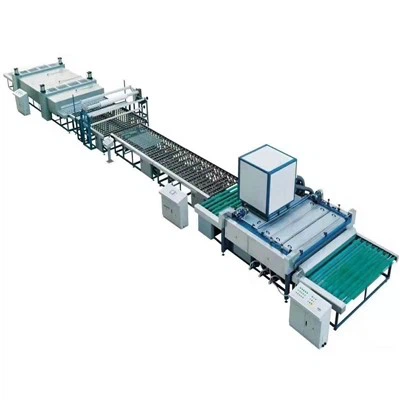
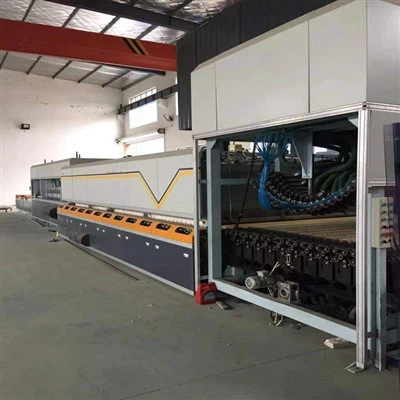
First off, let's talk about what a glass grinding machine actually does. These machines are used to shape, polish, and finish glass edges. Whether you're working on a large - scale project like a commercial building's glass facades or a small - scale art piece, glass grinding machines are essential. We offer a variety of machines, such as the Glass Double Edger Grinding Machine, Automatic Glass Beveling Machine, and Small Glass Beveling Machine, each designed to meet different needs.
Now, onto the lubricant. Lubricant plays a super important role in a glass grinding machine. One of the main functions is to reduce friction. When the grinding wheel comes into contact with the glass, there's a whole lot of friction going on. Without proper lubrication, this friction can cause several problems.
For starters, excessive friction can lead to overheating. You see, when the grinding wheel and the glass rub against each other, heat is generated. If this heat isn't managed, it can damage both the grinding wheel and the glass. The grinding wheel might wear out much faster than normal, and the glass could develop thermal stress, which might cause it to crack or break during the grinding process. The lubricant acts as a heat - dissipating agent. It helps carry the heat away from the grinding area, keeping the temperature in check. This not only protects the equipment but also ensures the quality of the glass being processed.


Another key role of the lubricant is to improve the surface finish of the glass. As the grinding wheel grinds the glass, it creates tiny particles and debris. These particles can get stuck between the grinding wheel and the glass, causing scratches and an uneven surface. The lubricant helps to flush these particles away. It acts like a cleaning agent, constantly washing the grinding area and preventing the debris from interfering with the grinding process. This results in a smoother, more polished surface on the glass. You'll end up with a glass edge that looks professional and high - quality, which is exactly what you want, whether you're making a fancy glass tabletop or a window for a luxury home.
Lubricants also help to extend the life of the grinding wheel. A grinding wheel is a costly part of the glass grinding machine, and you want it to last as long as possible. By reducing friction and heat, the lubricant minimizes the wear and tear on the grinding wheel. This means you won't have to replace the grinding wheel as frequently, which can save you a significant amount of money in the long run.
In addition to these benefits, lubricants can also improve the efficiency of the glass grinding machine. When there's less friction, the machine doesn't have to work as hard. This means it can operate at a higher speed and with more precision. You'll be able to process more glass in less time, which is great for increasing productivity, especially if you're running a busy glass - processing business.
Now, there are different types of lubricants available for glass grinding machines. Some are water - based, while others are oil - based. Water - based lubricants are often preferred because they're more environmentally friendly and easier to clean up. They also tend to be less expensive. However, oil - based lubricants can sometimes offer better lubrication and heat - dissipation properties. The choice of lubricant depends on several factors, such as the type of glass being processed, the grinding speed, and the specific requirements of the project.
When using a lubricant in your glass grinding machine, it's important to follow the manufacturer's instructions. You need to use the right amount of lubricant. Too little, and it won't be effective in reducing friction and heat. Too much, and it can create a mess and might even interfere with the operation of the machine. You also need to make sure to change the lubricant regularly. Over time, the lubricant can become contaminated with the glass particles and debris it's supposed to flush away. If you don't change it, it won't work as well, and it could even cause more problems.
Maintaining the lubrication system in the glass grinding machine is also crucial. You should regularly check the lubricant level and the condition of the lubricant lines. Make sure there are no blockages or leaks. A well - maintained lubrication system ensures that the lubricant is being delivered to the right places at the right time, which is essential for the proper functioning of the machine.
In conclusion, lubricant is an integral part of a glass grinding machine. It reduces friction, controls heat, improves the surface finish of the glass, extends the life of the grinding wheel, and boosts the efficiency of the machine. Whether you're a small - scale glass artist or a large - scale glass - processing company, understanding the role of lubricant and using it correctly can make a huge difference in the quality of your work and the longevity of your equipment.
If you're in the market for a glass grinding machine or have any questions about lubricants and how they work, don't hesitate to reach out. We're here to help you make the best choices for your glass - processing needs. Whether you're interested in our Glass Double Edger Grinding Machine, Automatic Glass Beveling Machine, or Small Glass Beveling Machine, we can provide you with all the information you need. Let's start a conversation and see how we can work together to take your glass - processing projects to the next level.
References
- "Handbook of Glass Manufacturing Technology"
- "Glass Processing Machinery: Principles and Applications"