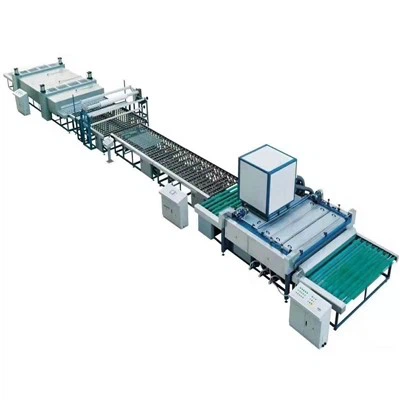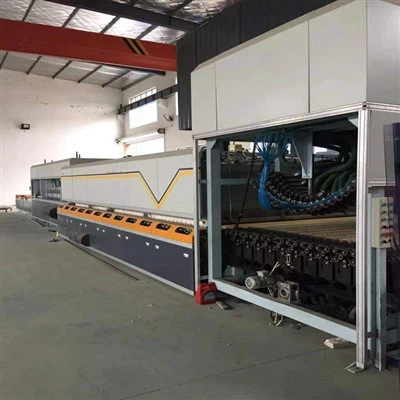
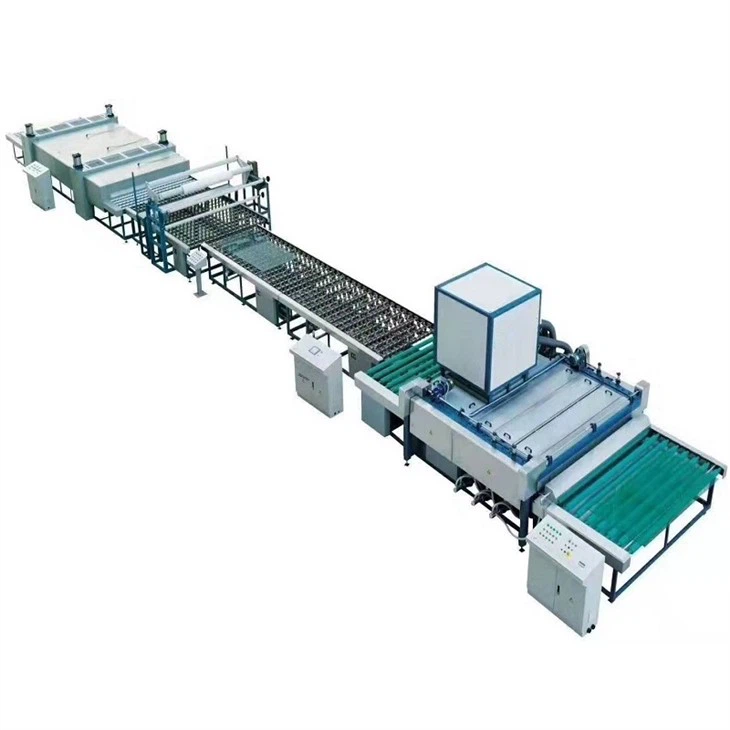
Glass laminating equipment plays a crucial role in the glass processing industry, enabling the creation of various types of laminated glass with enhanced safety, security, and aesthetic properties. As a leading supplier of Glass Laminating Equipment, we have extensive experience and expertise in understanding the diverse glass types that can be effectively processed using our advanced machinery. In this blog post, we will explore the different types of glass that can be laminated, highlighting their unique characteristics and applications.
Float Glass
Float glass is one of the most commonly used types of glass in the laminating process. It is produced by floating molten glass on a bed of molten tin, resulting in a smooth, flat surface with excellent optical clarity. Float glass is available in a wide range of thicknesses, making it suitable for various applications, from residential windows to commercial facades.
When laminated, float glass provides enhanced safety and security features. In the event of breakage, the interlayer in the laminated glass holds the broken pieces together, preventing them from shattering and causing injury. This makes it an ideal choice for areas where safety is a concern, such as schools, hospitals, and public buildings.
Float glass can also be used to create decorative laminated glass. By incorporating different types of interlayers, such as colored or patterned films, it is possible to achieve a wide range of aesthetic effects. This makes float glass a versatile option for architects and designers looking to add a unique touch to their projects.
Tempered Glass
Tempered glass is another popular choice for laminating. It is a type of safety glass that is heat-treated to increase its strength and durability. Tempered glass is approximately four times stronger than regular float glass and is designed to break into small, granular pieces rather than sharp shards when shattered.
When laminated with an interlayer, tempered glass provides an additional layer of safety and security. The interlayer helps to hold the broken pieces of tempered glass together, reducing the risk of injury. This makes it an excellent choice for applications where high levels of safety are required, such as in automotive windshields, shower enclosures, and balcony railings.

In addition to its safety benefits, tempered glass also offers excellent resistance to thermal stress. This makes it suitable for use in areas where there are significant temperature variations, such as in solar panels and oven doors.
Heat - Strengthened Glass
Heat - strengthened glass is a type of glass that is heat - treated to a lesser degree than tempered glass. It is stronger than regular float glass but not as strong as tempered glass. Heat - strengthened glass breaks into larger pieces than tempered glass but still retains some of its structural integrity when broken.
When laminated, heat - strengthened glass provides a good balance between safety and strength. It is often used in applications where a moderate level of safety is required, such as in storefronts, curtain walls, and interior partitions. The lamination process further enhances its performance by holding the broken pieces together and reducing the risk of injury.
Laminated Insulating Glass
Laminated insulating glass combines the benefits of laminated glass and insulating glass. It consists of two or more layers of glass separated by a spacer and filled with an insulating gas, such as argon or krypton. The laminated layer provides safety and security, while the insulating properties help to reduce heat transfer and improve energy efficiency.
Laminated insulating glass is commonly used in windows and doors in both residential and commercial buildings. It helps to keep the interior of the building warm in the winter and cool in the summer, reducing energy consumption and lowering utility bills. Additionally, it provides excellent sound insulation, reducing noise pollution from the outside.
Decorative Glass
Decorative glass includes a wide range of glass types, such as patterned glass, stained glass, and etched glass. These types of glass can be laminated to enhance their beauty and durability.
Patterned glass has a textured surface that can add privacy and visual interest to a space. When laminated, it retains its decorative qualities while also providing safety and security. Stained glass, with its vibrant colors and intricate designs, can be laminated to create stunning works of art for churches, museums, and other cultural institutions. Etched glass, which has a frosted or engraved surface, can be laminated to add a touch of elegance to interior spaces.
Automotive Glass
Automotive glass, including windshields, side windows, and rear windows, is often laminated for safety reasons. The laminated windshield is designed to prevent the driver and passengers from being ejected in the event of a collision. It also helps to hold the roof of the vehicle in place, providing additional structural support.
Our Automatic Laminated Glass Production Line is capable of producing high - quality laminated automotive glass with precise dimensions and excellent optical clarity. The advanced technology used in our equipment ensures that the laminated automotive glass meets the strict safety standards required by the automotive industry.
Solar - Control Glass
Solar - control glass is designed to reduce the amount of solar heat and glare entering a building while still allowing natural light to pass through. It is often used in commercial buildings, especially in areas with high solar exposure.
When laminated, solar - control glass can provide additional benefits, such as enhanced safety and security. The lamination process can also help to improve the durability of the solar - control glass, protecting it from scratches and other damage.
Sound - Insulating Glass
Sound - insulating glass is specifically designed to reduce noise transmission. It is commonly used in buildings located in noisy environments, such as near airports, highways, or industrial areas.
Laminated sound - insulating glass can achieve even higher levels of sound reduction. The interlayer in the laminated glass helps to dampen sound waves, providing a quieter and more comfortable indoor environment. Our Glass Lamination Production Line can be customized to produce high - performance sound - insulating laminated glass.
Conclusion
As a supplier of Glass Laminating Equipment, we understand the importance of providing our customers with the ability to process a wide range of glass types. Whether you are looking to produce safety glass for buildings, decorative glass for interior design, or automotive glass for the transportation industry, our equipment can meet your needs.
Our glass laminating equipment is designed with advanced technology and precision engineering to ensure high - quality lamination results. We offer a range of models, from small - scale machines for workshops to large - scale Glass Lamination Production Line for industrial production.
If you are interested in purchasing glass laminating equipment or have any questions about the types of glass that can be processed, we encourage you to contact us for a detailed discussion. Our team of experts is ready to assist you in finding the best solution for your glass processing requirements. Let's work together to create innovative and high - quality laminated glass products.
References
- "Glass Processing Handbook", John Wiley & Sons
- "The Science of Glass", Springer Publishing
- Industry reports on glass laminating technology and applications.